Topic hub · Calendar

The Egyptian Cultural Year

When to visit, when to avoid, when to plan around. The Egyptian heritage year contains three overlapping calendars — Gregorian civil, Coptic Christian and Islamic lunar — and their interaction shapes everything from temple opening hours to hotel pricing.

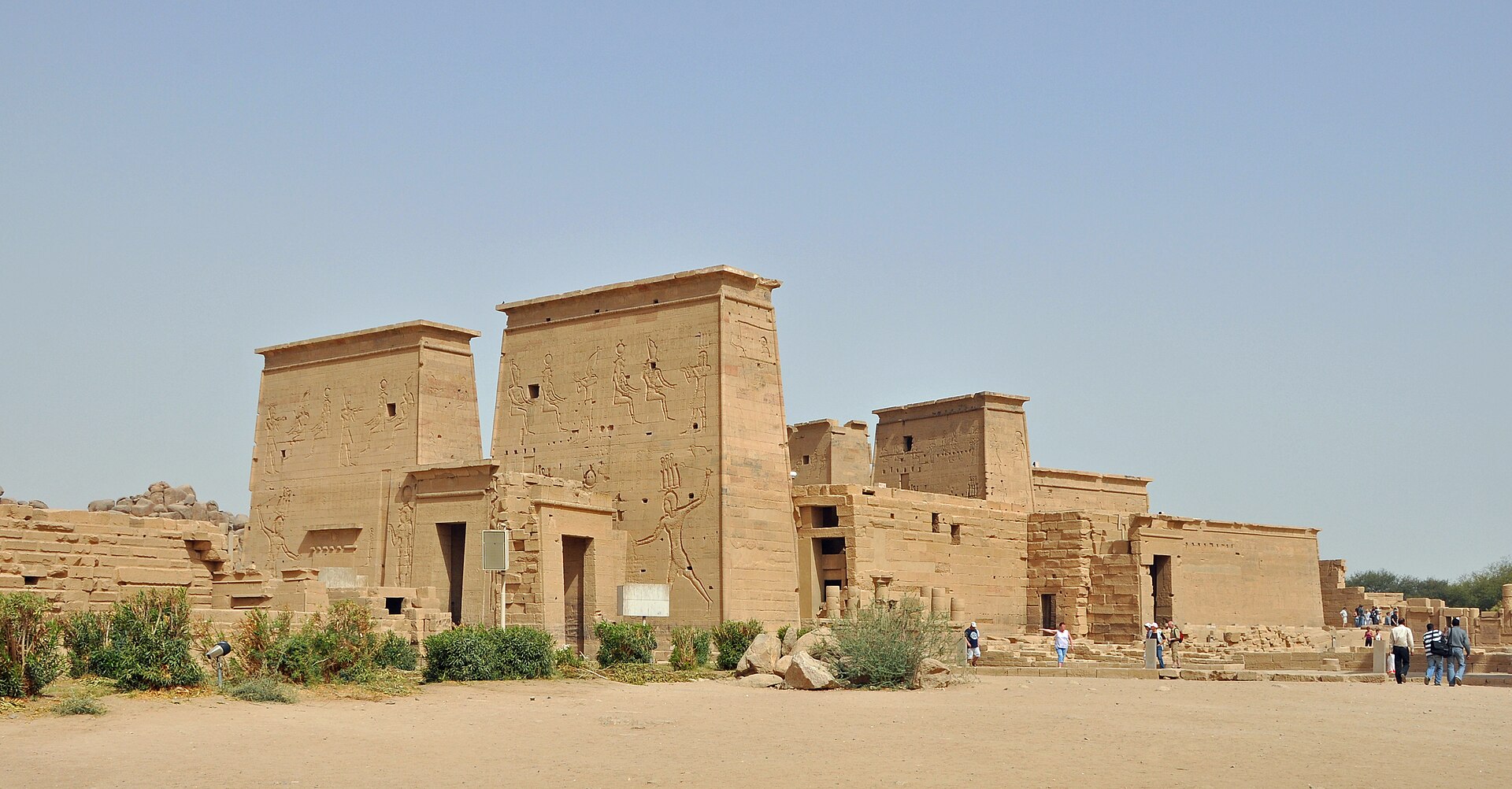
Philae Temple at Aswan reflected in the calm reservoir water

Use this page to time your trip and to plan around closures. The month-by-month overview gives the working pattern across all four cities and the major archaeological sites; the sections below it cover the moveable Islamic dates and the standard seasonal closures that catch visitors off guard.

Month by month

JANUARY — High season opens

The most pleasant climate for Upper Egypt heritage visits. Cool mornings, warm afternoons. The Cairo International Book Fair runs for the last ten days of January through early February — worth a half-day if you have any interest in publishing or Arabic literature. Hotel prices peak.

FEBRUARY — Sun festival at Abu Simbel

On 22 February the rising sun illuminates the inner sanctuary of Ramses II at Abu Simbel for a few minutes — one of two such alignments each year. Local festivities surround the event; accommodation must be booked months in advance.

MARCH — Final high-season month

Visiting conditions remain excellent across all regions. Sandstorms (khamaseen) can hit the Cairo–Luxor axis in late March; check the forecast 48 hours before any outdoor heritage day. Coptic Lent typically begins.

APRIL — Coptic Easter and Sham el-Nessim

Coptic Easter falls on a variable date in April or early May. Sham el-Nessim, the spring picnic day with pharaonic roots, falls on the Monday immediately after Coptic Easter and is a public holiday. Most museums close on the holiday; archaeological sites stay open.

MAY — Heat starts in Upper Egypt

Daytime highs in Luxor and Aswan reach 38°C by mid-month. Visiting strategy shifts to early-morning archaeological visits and afternoon museums. Cruise traffic begins to thin out.

JUN-AUG — Low season; serious heat

The hottest period in Upper Egypt with daytime highs frequently above 42°C. We do not recommend Luxor and Aswan visits in July and August for travellers unaccustomed to extreme heat. Cairo and Alexandria are more bearable.

SEPTEMBER — Shoulder season

Heat starts to ease in Upper Egypt. International tourism remains light. Excellent value for travellers willing to tolerate residual summer warmth. Many cruise companies relaunch their season in mid-September.

OCTOBER — Sun festival redux

The second annual sun alignment at Abu Simbel falls on 22 October. Climate returns to the comfortable range across all regions. Cruise schedules are at full intensity.

NOVEMBER — Peak visiting month

Probably the best single month for heritage visits across the whole country. Cool mornings, warm afternoons, low humidity. Cruise and hotel pricing approaches January levels.

DECEMBER — Christmas and New Year peak

European Christmas and New Year holidays produce the single highest-volume tourism week of the year. Coptic Christmas falls on 7 January and is a public holiday with church services worth attending respectfully.

Ramadan and the lunar calendar

Ramadan, the Islamic month of fasting, moves backwards through the Gregorian calendar by about eleven days each year. In recent years Ramadan has fallen in March and February; it will move into January and December over the coming decade. Visiting during Ramadan is not a problem for heritage travellers — museums and archaeological sites remain open with normal hours — but the city rhythm changes. Restaurants are quieter during daylight hours, the iftar evening meal at sundown becomes the social anchor of the day, and the night markets in places like Khan el-Khalili become livelier than usual.

Eid al-Fitr at the end of Ramadan and Eid al-Adha approximately seventy days later are major public holidays. Many museums close for the first two days of each Eid; archaeological sites generally remain open with modified hours. The exact dates depend on the moon sighting and are not fixed in advance — write to the desk if you need confirmation for a specific year.

Standard closures to plan around

Many of the most important archaeological monuments rotate which tombs are open in order to manage humidity and visitor wear. The Valley of the Kings standard ticket allows visits to three of about a dozen open tombs at any time, and the rotation changes month to month — check at the ticket office on the day. Saint Catherine's Monastery is closed on Fridays, Sundays and Eastern Orthodox feast days, which add up to roughly a third of the year. The Mosque of Muhammad Ali at the Citadel closes briefly during the five daily prayer times and for major Islamic feasts. The Egyptian Museum on Tahrir Square closes a half-day each Wednesday in summer for routine maintenance.

Related topic hubs

Planning Tips

Heat management and operational facts that interact with the calendar above.

Town Overviews

City-level summaries that depend on which month you visit.